


AggieBrain
New AI and Dementia Research Initiative Launch Stems from UC Noyce Funding
Quick Summary
- Since receiving UC Noyce Initiative funding in 2022, the research team led by Dugger and Chuah has secured nearly $6.8 million in additional competitive and philanthropic funding.
Two University of California researchers recently (June 19) launched a new multi-year effort that stands to revolutionize the way dementia and other brain degenerative diseases are understood and diagnosed.
It is an achievement they realized due to leveraging innovations and collaborations from multiple agencies including seed funding from the UC Noyce Initiative.
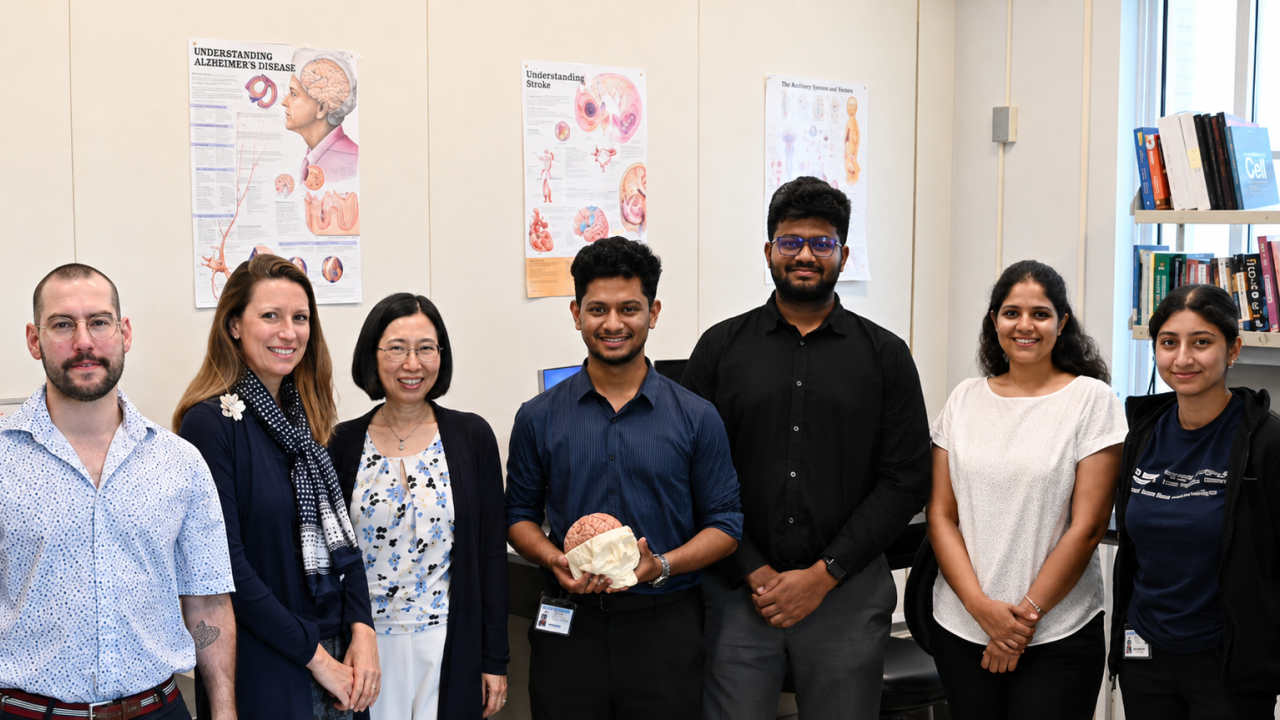
The new program, AggieBrain: AI for Next-Generation Neuropathology, brings together researchers in engineering, medicine and computer science to develop artificial intelligence tools that can dramatically accelerate the analysis of brain tissue, helping scientists better understand diseases such as Alzheimer's while making advanced computational tools more accessible to researchers worldwide.
The effort is co-led by Brittany Dugger, professor in the UC Davis Department of Pathology and Laboratory Medicine and leader of the UC Davis Neuropathology Core, and Chen-Nee Chuah, Child Family Professor of Engineering and co-director of the UC Davis AI Center in Engineering.
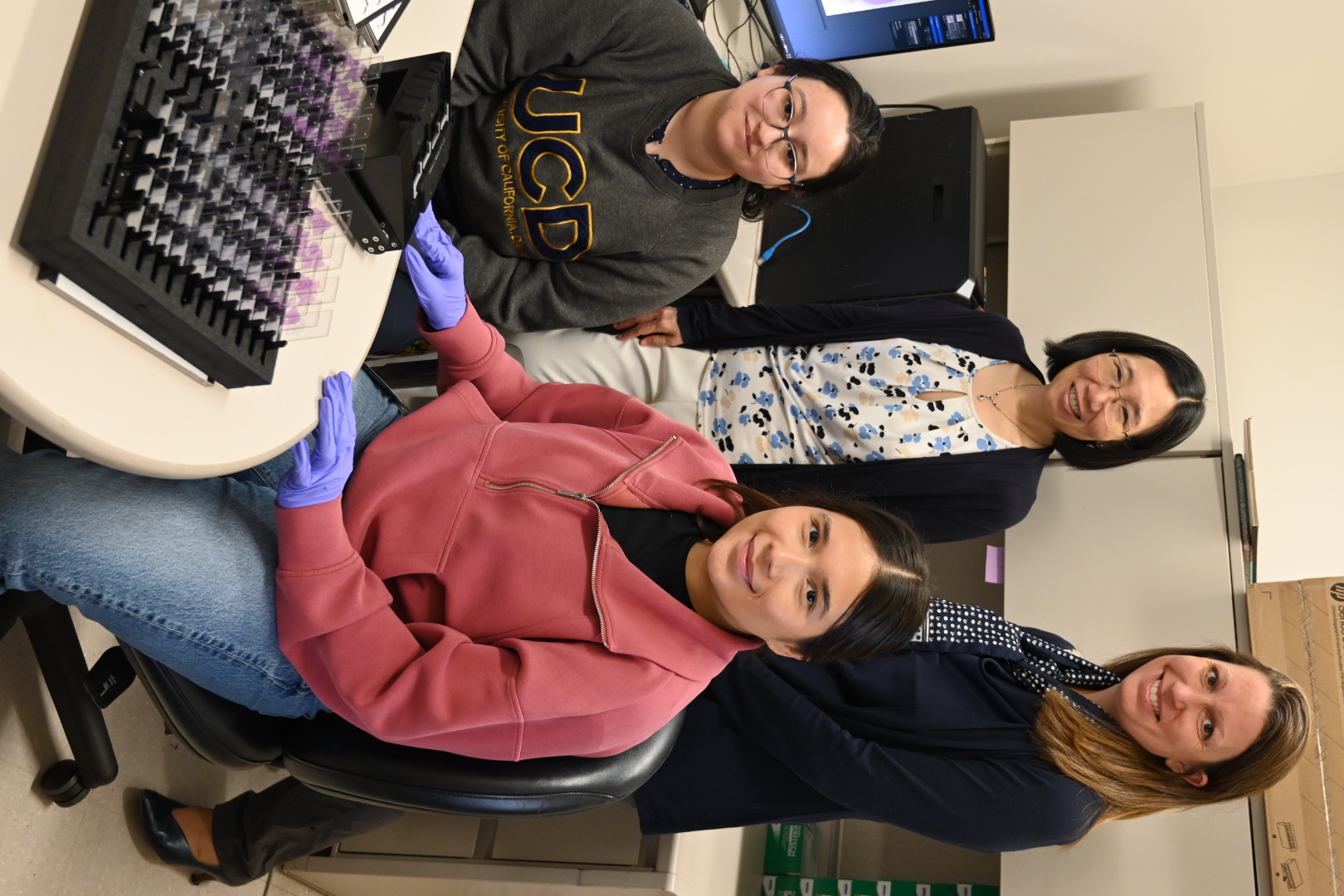
The launch marks the latest milestone for a collaboration that received UC Noyce Initiative funding in 2022. The Noyce funding leveraged prior grants from the NIH, University of California Office of the President, and California Department of Public Health. Since 2022, the research team has secured nearly $6.8 million in additional competitive and philanthropic funding, including awards from the National Institutes of Health, the Chan Zuckerberg Initiative and the Susan and Charles Berghoff Foundation, whose support helped establish the AggieBrain Initiative.
“Teamwork makes the dream work,” Dugger said with a smile.
Building better tools for brain research
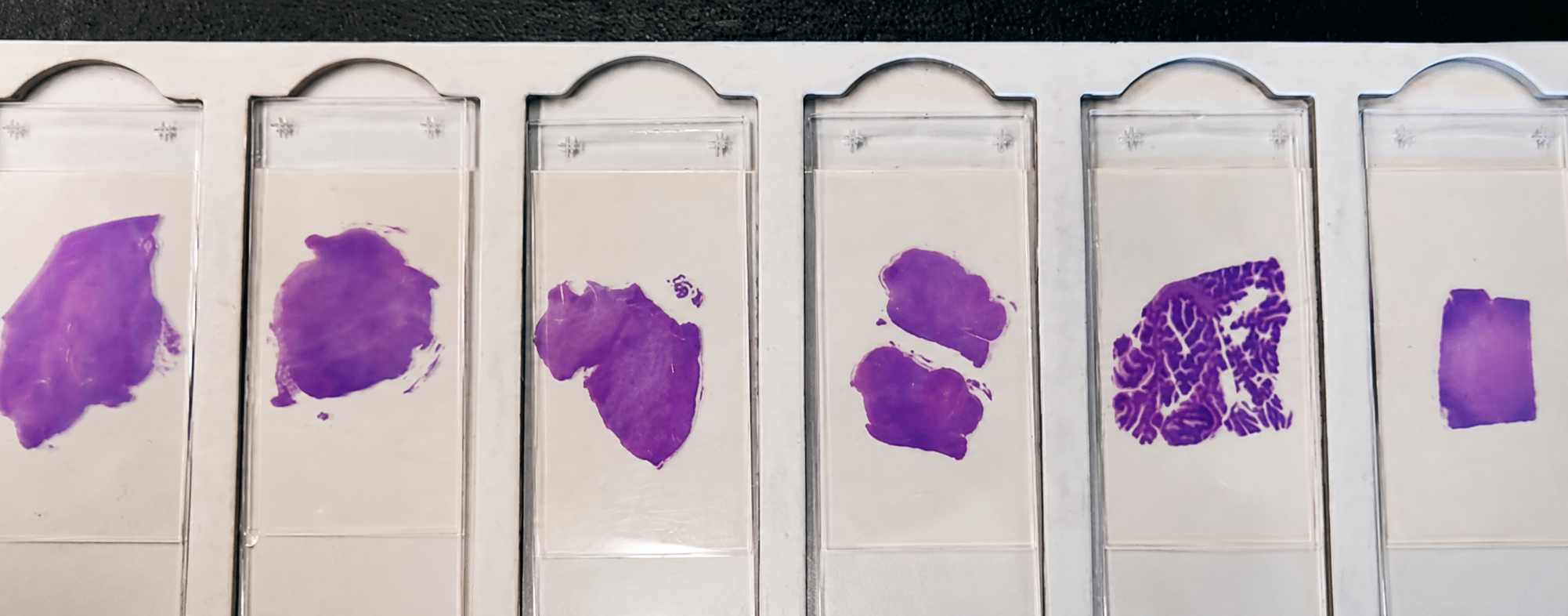
Neuropathologists and researchers rely on microscopic images of brain tissue to identify the hallmarks of Alzheimer disease and other forms of dementia, including Lewy body disease which is a progressive brain disorder where abnormal protein clumps build up in nerve cells, affecting thinking, movement, behavior and sleep.
For researchers, preparing those images of brain tissue for analysis is often a painstaking process that requires specialists to manually annotate thousands of features before artificial intelligence models can be trained.
When Chuah and Dugger first began collaborating, researchers had only a small number of carefully labeled images to work with, limiting what conventional machine learning techniques could accomplish.
The UC Noyce Initiative gave the team an opportunity to pursue ideas that would have been difficult to explore through traditional federal grants.
"This is exactly what seed funding is designed to do," said Chuah. "It allowed us the freedom to investigate promising state-of-the-art computational approaches without knowing in advance which ones would pay off."
Chuah continued, "We explored techniques such as semi-supervised learning to leverage unlabeled data and later, as foundation models emerged, quickly began testing their potential. Those early efforts laid the groundwork for the larger grants that followed.”
That flexibility proved especially valuable as artificial intelligence advanced rapidly during the past four years.
As increasingly powerful vision and foundation models became available, the research team was already well positioned to evaluate whether they could be adapted to digital neuropathology. While digital pathology spans many diseases and tissue types, the team's work focused on applying these AI technologies to the study of neurodegenerative brain diseases.
From seed funding to national investment
"Seed funding does much more than launch new research ideas," said Chuah. "It also invests in people. It supports graduate students and postdoctoral fellows who receive hands-on, interdisciplinary training by working side by side in both labs.”
Dugger, who is equally committed to training the next generation of interdisciplinary researchers, shared similar sentiments.
“Rather than simply handing data from one group to another, this project has enhanced avenues for students to receive training both the biomedical questions and the AI methods needed to solve them,” she said. “The immersive experience creates scientists who can bridge disciplines and drive innovation.”
The team's early discoveries quickly attracted broader support.
In 2024, the researchers received a National Institute on Aging award to study the neuropathologic landscape of Alzheimer disease. They also secured funding from the Chan Zuckerberg Initiative to advance computational methods for assessing dementia pathology.
Most recently, philanthropic support from the Susan and Charles Berghoff Foundation, with major contributions from William Ballhaus and Darrin Mollett, helped launch AggieBrain as a long-term initiative dedicated to advancing AI-powered neuropathology research.
For multi-disciplinary research duo and their team, each new award builds upon the collaborative foundation established through the UC Noyce Initiative.
"Many grants today depend on interdisciplinary collaboration," Dugger said. "UC Noyce helped us build those collaborations while giving us the flexibility to explore innovative ideas."
Creating a resource for the research community
Beyond developing new AI models, AggieBrain aims to become a hub for digital neuropathology research.
The initiative is enhancing accessibility to annotated datasets, computational tools and open research resources scientists can use to better understand dementia and related disorders. Researchers are also developing more computationally efficient AI models to analyze massive digital brain images in minutes rather than hours while reducing the need for costly computing infrastructure.
The long-term vision is to create a collaborative ecosystem where engineers, clinicians and neuroscientists can share data, tools and discoveries to accelerate progress across the field.
For the UC Noyce Initiative, the project demonstrates the lasting impact of investing in promising ideas early.
What began as a seed-funded collaboration between engineering and medicine has evolved into a university-wide initiative backed by nearly $6.8 million in follow-on funding.
“We are a strong proponent of Chen-Nee and Brittany. The AggieBrain a great example of what we hope to accomplish with UC Noyce Initiative funding,” said UC Noyce Initiative Executive Director Bryan Kerner, “It is multi-disciplinary work that stands to reshape how researchers study neurodegenerative disease and stands to eventually help millions in the years to come.”
Media Resources
Sarah Colwell is a freelance writer and marketing strategist who specializes in serving higher education clients.